invitation card design ideas style is an example of wedding invitations of various invitation models that are more trending in the world, hopefully useful
Search This Blog
Wedding Invitation Wording Samples, from Traditional to Creative! APW
A wedding invitation is a letter asking the recipient to attend a wedding. It is typically written in formal, third-person words and mailed five to eight weeks before the wedding date.Like any other invitation, it is the privilege and duty of the host--historically, for younger brides in Traditional western culture, the mom of the bride-to-be, with respect to the bride's family--to concern invitations, either by mailing them herself or creating these to be delivered, either by enlisting the help of family, friends, or her sociable secretary to choose the guest list and address envelopes, or by hiring something. With computer technology, some have the ability to print directly on envelopes from a guest list by using a mail merge with word control and spreadsheet software.Prior to the technology of the moveable-type printing press by Johannes Gutenberg in 1447, marriages in England were typically announced by means of a Town crier: a guy who would walk through the roads announcing in a loud voice the news of the day. Traditionally, anyone within earshot became area of the celebration.In the Middle Ages, illiteracy was wide-spread, therefore the practice of sending written wedding invitations emerged on the list of nobility. Groups of means would commission monks, skilled in the art work of Calligraphy, to hand-craft their notices.Such documents often taken the Cover of arms, or personal crest, of the individual and were closed with wax.From 1600 onwardFollowing the technology of Lithography by Alois Senefelder in 1798, it became possible to produce very well-defined and distinctive inking without the need for engraving.This paved the way for the introduction of an authentic mass-market in wedding invitations.Wedding invitations were still delivered yourself and on horseback, however, because of the unreliability of the nascent postal system. A 'dual envelope' was used to safeguard the invitation from harm en route to its receiver. This traditions remains today, despite advancements in postal trustworthiness.Modern times
The origins of commercially published 'fine wedding stationery' can be followed to the period immediately following World War II, where a combo of democracy and immediate industrial growth offered the common man the ability to mimic the life-styles and materialism of society's elite. Concerning this time, prominent society numbers, such as Amy Vanderbilt and Emily Post, emerged to advise the ordinary man and girl on appropriate etiquette.Growth in the use of wedding stationery was also underpinned by the introduction of thermography. Though it does not have the fineness and distinctiveness of engraving, thermography is a more affordable method of attaining raised type. This technique, often called poor man's engraving, produces glistening, brought up lettering without impressing the surface of the paper (in the manner traditional engraving does indeed). Consequently, wedding invites - either imprinted or imprinted - finally became affordable for any.
More recently Letterpress printing has made a strong resurgence in acceptance for wedding invitations. It has a certain store and craft charm due to the profound impression or bite that may be achieved. It was not the original intention of letterpress to bite in to the paper in this manner, but instead to kiss it creating a set printing. The bite or deep impression is a recently available aesthetic that brings the sensory experience of touch to letterpress printed wedding invites. Many letterpress printers that specialize in wedding invitations are small start ups or artisan printers, somewhat than large printing companies.Laser engraving in addition has been making headway in the marriage invitation market over the last few years. Mostly used for engraving wood veneer invitations, it is also used to engrave acrylic, or even to recognise certain types of material invitations.
The latest development in wedding invites is to order them online. Utilising the web has made viewing, organising and ordering wedding invitations a fairly easy task. There are a huge selection of websites offering wedding invites and stationery and being online allows the client to order from anywhere in the world.
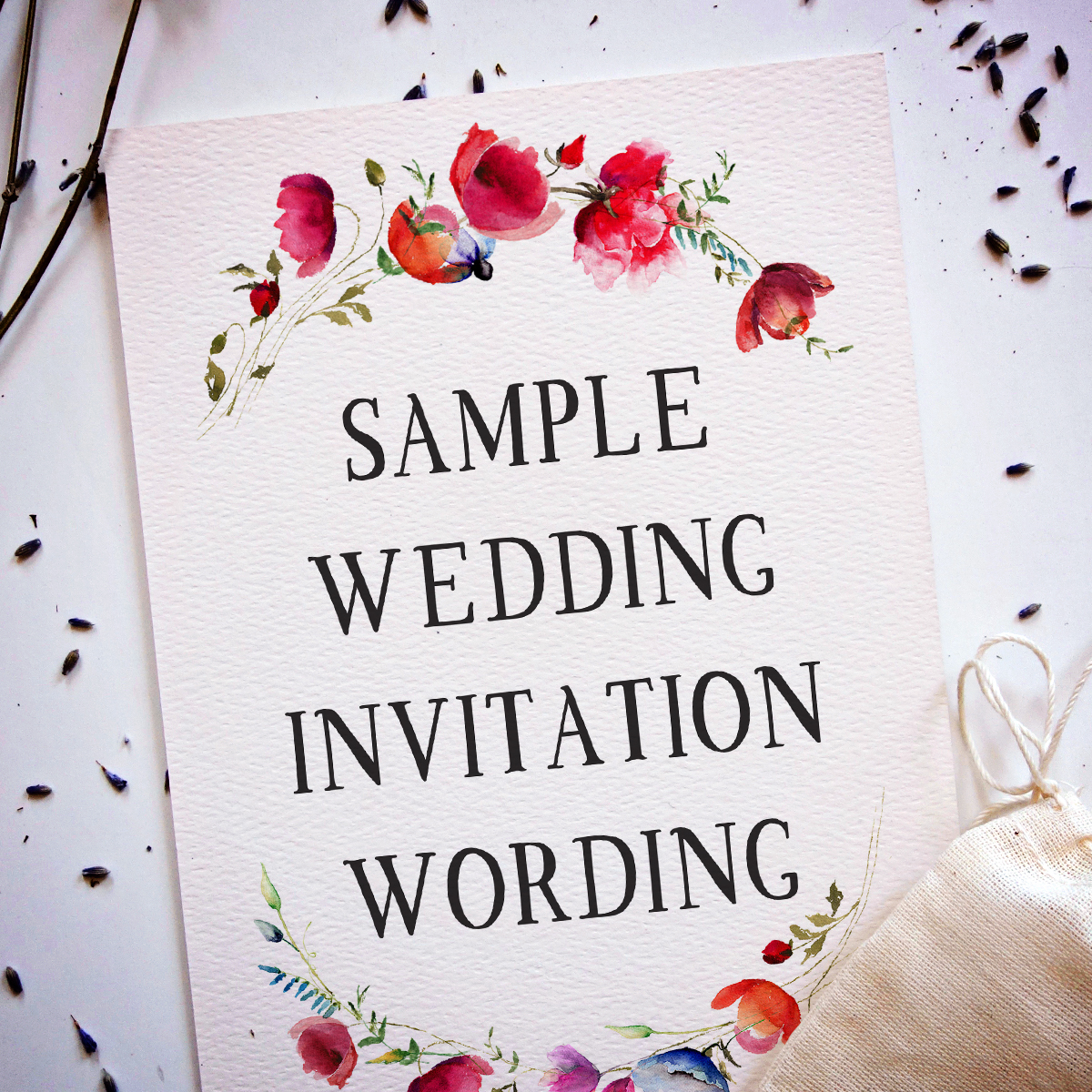
source image wedding invitations samples from apracticalwedding.com
Commercial wedding invites are typically printed using one of the following methods: engraving, lithography, thermography, letterpress printing, sometimes blind embossing, compression plate process, or offset printing. More recently, many do-it-yourself brides are printing on their home computers utilizing a laser printing device or inkjet computer printer. For the artistically willing, they could be handmade or written in calligraphy. Historically, wedding invites were hand-written unless the space of the visitor list made this impractical. When mass-production was necessary, engraving was preferred within the only other accessible then option, that was a relatively poor quality of letterpress printing. Hand-written invites, in the hosts' own handwriting, remain considered most right whenever possible; these invitations follow the same formal third-person form as printed out ones for formal weddings, and take the proper execution of an individual notice for less formal wedding cer...
A marriage invitation is a letter asking the receiver to attend a wedding. It is typically written in formal, third-person dialect and mailed five to eight weeks prior to the wedding date.Like any other invitation, it's the privilege and duty of the host--historically, for young brides in Traditional western culture, the mom of the bride-to-be, with respect to the bride's family--to issue invitations, either by sending them herself or triggering these to be directed, either by enlisting the assistance of family, friends, or her cultural secretary to choose the guest list and address envelopes, or by selecting something. With computer technology, some have the ability to print on envelopes from a guest list by using a email merge with expression control and spreadsheet software. Prior to the technology of the moveable-type producing press by Johannes Gutenberg in 1447, weddings in England were typically declared through a Town crier: a guy who would walk through the pavements an...
Commercial wedding invitations are typically printed using one of the next methods: engraving, lithography, thermography, letterpress printing, sometimes blind embossing, compression plate process, or offset printing. Recently, many do-it-yourself wedding brides are printing on their home computers by using a laser printer or inkjet computer printer. For the artistically willing, they could be handmade or written in calligraphy. Historically, wedding invitations were hand-written unless the space of the visitor list made this impractical. When mass-production was necessary, engraving was preferred over the only other widely available then option, which was a relatively poor quality of letterpress printing. Hand-written invites, in the hosts' own handwriting, are still considered most correct whenever possible; these invites follow the same formal third-person form as imprinted ones for formal marriages, and take the form of a personal letter for less formal marriages.Tissues tend t...
 A wedding invitation is a letter asking the recipient to attend a wedding. It is typically written in formal, third-person words and mailed five to eight weeks before the wedding date.Like any other invitation, it is the privilege and duty of the host--historically, for younger brides in Traditional western culture, the mom of the bride-to-be, with respect to the bride's family--to concern invitations, either by mailing them herself or creating these to be delivered, either by enlisting the help of family, friends, or her sociable secretary to choose the guest list and address envelopes, or by hiring something. With computer technology, some have the ability to print directly on envelopes from a guest list by using a mail merge with word control and spreadsheet software.Prior to the technology of the moveable-type printing press by Johannes Gutenberg in 1447, marriages in England were typically announced by means of a Town crier: a guy who would walk through the roads announcing in a loud voice the news of the day. Traditionally, anyone within earshot became area of the celebration.In the Middle Ages, illiteracy was wide-spread, therefore the practice of sending written wedding invitations emerged on the list of nobility. Groups of means would commission monks, skilled in the art work of Calligraphy, to hand-craft their notices.Such documents often taken the Cover of arms, or personal crest, of the individual and were closed with wax.From 1600 onwardFollowing the technology of Lithography by Alois Senefelder in 1798, it became possible to produce very well-defined and distinctive inking without the need for engraving.This paved the way for the introduction of an authentic mass-market in wedding invitations.Wedding invitations were still delivered yourself and on horseback, however, because of the unreliability of the nascent postal system. A 'dual envelope' was used to safeguard the invitation from harm en route to its receiver. This traditions remains today, despite advancements in postal trustworthiness.Modern times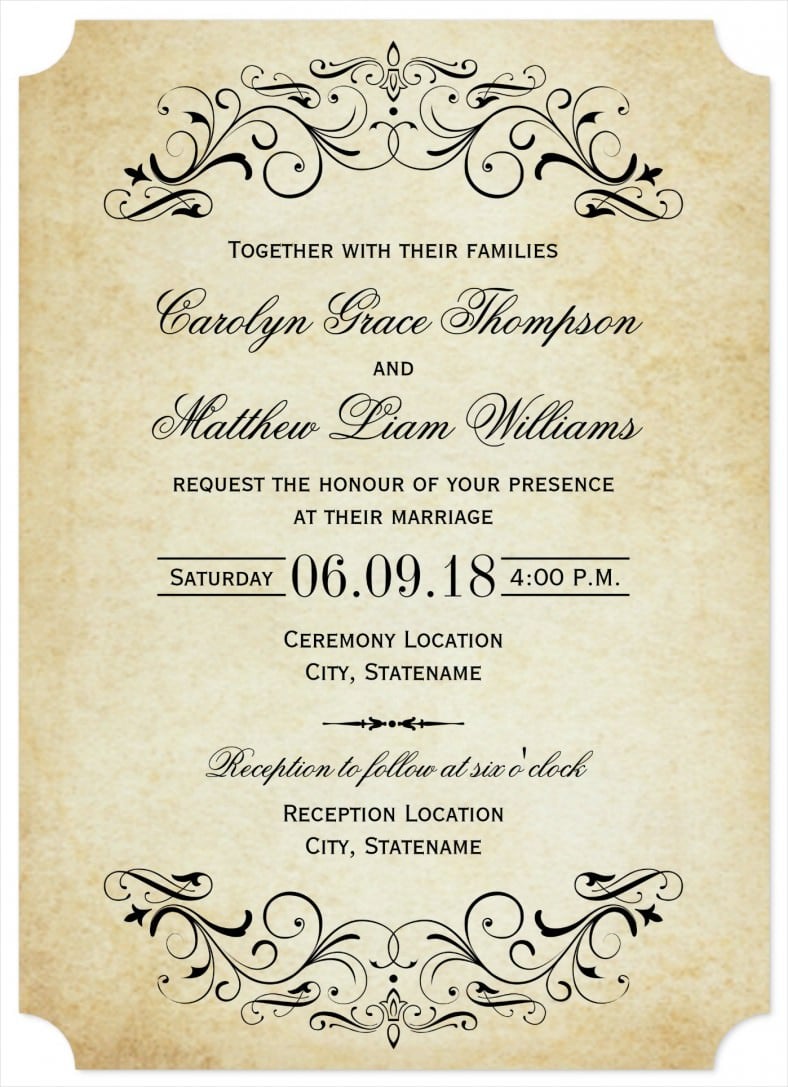


Comments
Post a Comment