invitation card design ideas style is an example of wedding invitations of various invitation models that are more trending in the world, hopefully useful
Commercial wedding invites are typically printed using one of the following methods: engraving, lithography, thermography, letterpress printing, sometimes blind embossing, compression plate process, or offset printing. More recently, many do-it-yourself brides are printing on their home computers utilizing a laser printing device or inkjet computer printer. For the artistically willing, they could be handmade or written in calligraphy.Historically, wedding invites were hand-written unless the space of the visitor list made this impractical. When mass-production was necessary, engraving was preferred within the only other accessible then option, that was a relatively poor quality of letterpress printing. Hand-written invites, in the hosts' own handwriting, remain considered most right whenever possible; these invitations follow the same formal third-person form as printed out ones for formal weddings, and take the proper execution of an individual notice for less formal wedding ceremonies.Tissues are often provided by manufacturers to place over the printed out text. Originally, the goal of the tissue was to lessen smudging or blotting, especially on invitations poorly printed or hastily mailed before the ink was completely dried, but increased printing techniques mean they are actually simply decorative. Those who know that their original goal has been made irrelevant by dramatic improvements in stamping technology usually dispose of them.Modern invitation design comes after fashion trends. Invites are usually chosen to match the couple's personal preferences, the level of formality of the function, and any color scheme or planned theme. For instance, a everyday beach wedding may have light, fresh colors and beach-related graphics. A formal church wedding may have more scripty typefaces and a lot of ornamentation that fits the formal characteristics of the function. The look of the invitation is becoming less and less traditional and more reflective of the couple's personality. Some web-based print-on-demand companies now allow lovers to create or customise their own wedding invites.
The invitation is typically a note cards, folded in two, or simply French folded (folded double, into quarters). Other options add a sheet of newspaper, a tri-fold, or a trendy pocket-fold design. The correct paper density depends upon the look, but typically ranges from heavy paper to very stiff greeting card stock.
source image wedding invitation template floral from www.papertraildesign.com
A marriage invitation is a letter asking the receiver to attend a wedding. It is typically written in formal, third-person dialect and mailed five to eight weeks prior to the wedding date.Like any other invitation, it's the privilege and duty of the host--historically, for young brides in Traditional western culture, the mom of the bride-to-be, with respect to the bride's family--to issue invitations, either by sending them herself or triggering these to be directed, either by enlisting the assistance of family, friends, or her cultural secretary to choose the guest list and address envelopes, or by selecting something. With computer technology, some have the ability to print on envelopes from a guest list by using a email merge with expression control and spreadsheet software. Prior to the technology of the moveable-type producing press by Johannes Gutenberg in 1447, weddings in England were typically declared through a Town crier: a guy who would walk through the pavements an...
A wedding invitation is a letter asking the recipient to attend being married. It is typically written in formal, third-person dialect and mailed five to eight weeks prior to the wedding date.Like any other invitation, it's the privilege and duty of the host--historically, for youthful brides in American culture, the mom of the bride-to-be, on behalf of the bride's family--to issue invites, either by mailing them herself or leading to those to be sent, either by enlisting the help of family members, friends, or her sociable secretary to choose the guest list and treat envelopes, or by hiring a service. With computer technology, some are able to print directly on envelopes from a guest list utilizing a email merge with phrase control and spreadsheet software. Prior to the invention of the moveable-type stamping press by Johannes Gutenberg in 1447, weddings in Britain were typically announced by means of a Town crier: a guy who would walk through the streets announcing in a loud ...
 Commercial wedding invites are typically printed using one of the following methods: engraving, lithography, thermography, letterpress printing, sometimes blind embossing, compression plate process, or offset printing. More recently, many do-it-yourself brides are printing on their home computers utilizing a laser printing device or inkjet computer printer. For the artistically willing, they could be handmade or written in calligraphy.Historically, wedding invites were hand-written unless the space of the visitor list made this impractical. When mass-production was necessary, engraving was preferred within the only other accessible then option, that was a relatively poor quality of letterpress printing. Hand-written invites, in the hosts' own handwriting, remain considered most right whenever possible; these invitations follow the same formal third-person form as printed out ones for formal weddings, and take the proper execution of an individual notice for less formal wedding ceremonies.Tissues are often provided by manufacturers to place over the printed out text. Originally, the goal of the tissue was to lessen smudging or blotting, especially on invitations poorly printed or hastily mailed before the ink was completely dried, but increased printing techniques mean they are actually simply decorative. Those who know that their original goal has been made irrelevant by dramatic improvements in stamping technology usually dispose of them.Modern invitation design comes after fashion trends. Invites are usually chosen to match the couple's personal preferences, the level of formality of the function, and any color scheme or planned theme. For instance, a everyday beach wedding may have light, fresh colors and beach-related graphics. A formal church wedding may have more scripty typefaces and a lot of ornamentation that fits the formal characteristics of the function. The look of the invitation is becoming less and less traditional and more reflective of the couple's personality. Some web-based print-on-demand companies now allow lovers to create or customise their own wedding invites.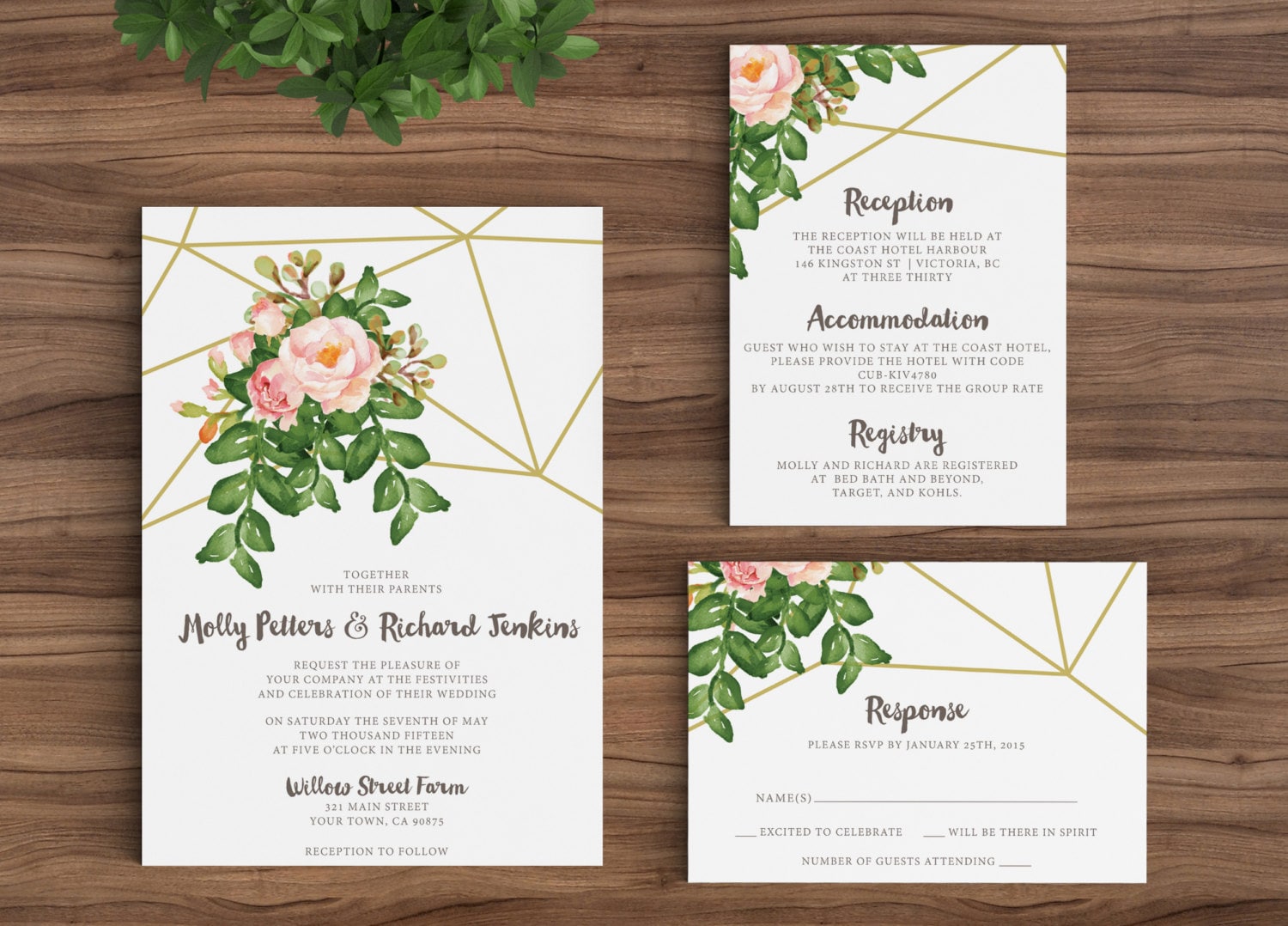


Comments
Post a Comment